

Hello Scottsdale — it’s Olivia Sullivan here. Most of us don’t think about it, but artificial intelligence and connected devices have become invisible partners in our everyday routines. Here’s a look at what’s already common, what’s emerging, and what that means for life here in the Valley.
Everyday AI: What We’re Using Without Always Seeing It
According to recent national research, about half of U.S. adults have used an AI chatbot—ChatGPT, Gemini, or Copilot—and many of us engage with tools powered by AI in more mundane contexts: navigation apps, streaming services, weather forecasts, even spam filters in email. Most people use at least one such product in a typical week, and many use four or more. These aren’t gimmicks—they’re woven into daily habits.
Smart Homes, Smarter Spaces
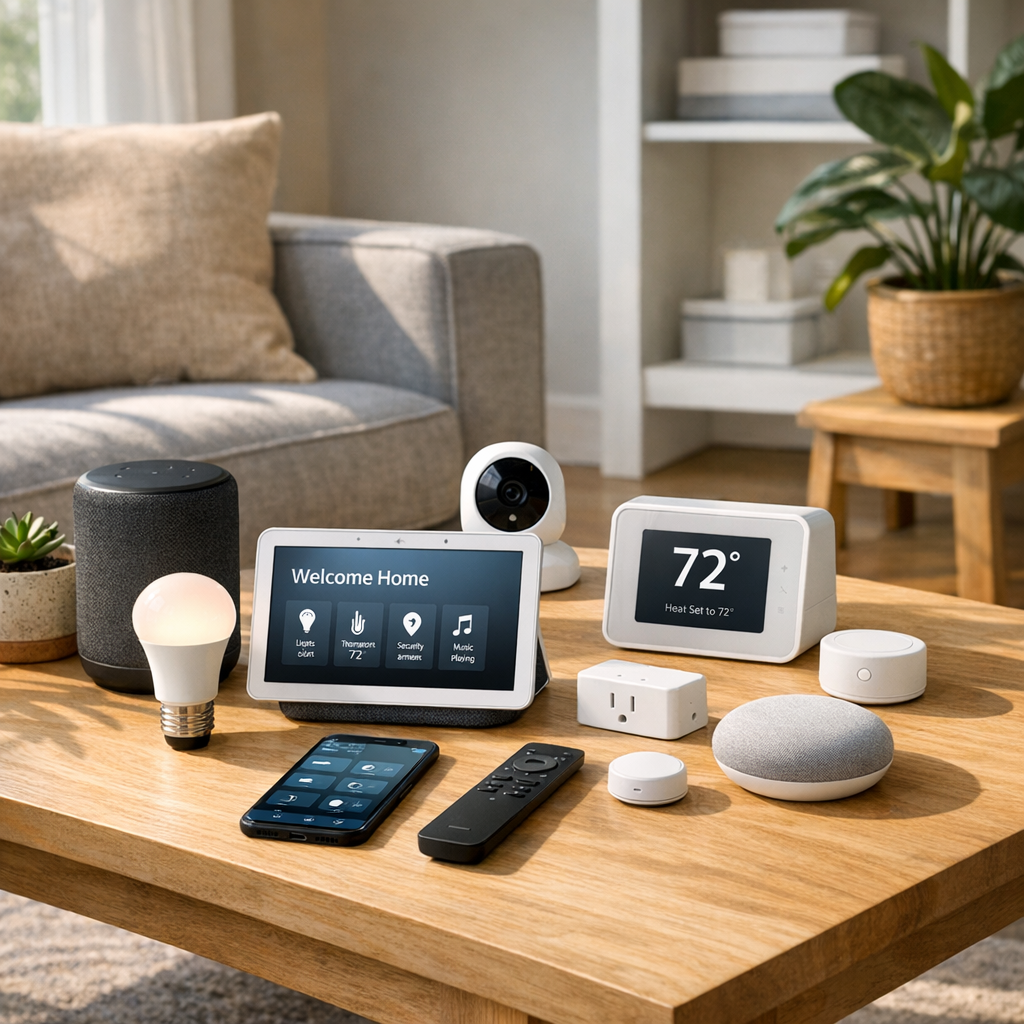
Devices that were once luxury now help Arizona residents automate chores, manage energy, and stay connected. Smart speakers, doorbells, thermostats, robot vacuums—these are more common than you might assume. Around one in three U.S. households now have a smart speaker, and about one in ten have a smart thermostat or robot vacuum. When these devices are linked, they’re not just gadgets—they’re an integrated home system.
Startups in Scottsdale: Building the AI Ecosystem Here
Scottsdale is not just a consumer of tech trends—it’s a creator. Local AI startups are growing fast. Examples include Traitify, DEFENDRY, Botco.ai, Nurture Boss, Enfuego Technologies, and ReplyBuy. These companies span areas from customer engagement and health tech to data infrastructure and AI-powered analytics. They’re not just chasing hype—they’re solving specific problems with technology.
The Trade-Offs: What We Gain, What We Should Watch
On the plus side, Scandals like long chore lists are shrinking: voice control, predictive assistants, and automated routines help save time and mental load. AI tools have also become essential in work and creative workflows, helping with writing, research, and brainstorming. Nationally, people are most likely to use chatbots to search for information or assist in work tasks.
But there’s a flip side. No tech is without drawbacks. Concerns around privacy and how data are used are growing. Trust in AI’s outputs isn’t uniform: many users question the reliability of information generated by AI tools. Some worry about over-automation and losing control over what used to be simple tasks. These are decisions we make every time we invite one more device into our home or rely on AI for advice.
How to Stay Thoughtful With Tech
- Read permissions carefully: Review what data smart devices are collecting. Many gadgets connect constantly to cloud services that collect information.
- Pace your AI use: Embrace tools that help, but don’t overload. Prioritize well-rated services with transparency about how they work.
- Purchase with purpose: When buying smart home gear or gadgets, choose ones that support security updates and offer strong local networks (Wi-Fi, Bluetooth, Matter).
- Support local innovation: Local startups are designing solutions for our climate, culture, and everyday needs—whether it’s smart energy solutions or tools designed for desert living.
We’re living in an age where technology isn’t an add-on—it’s embedded. As we build routines around smart assistants, home automation, and conversational AI, we have a chance to shape how that future looks. In Scottsdale and beyond, that means making informed choices, keeping an eye on privacy, and ensuring tech serves people—not the other way around.