

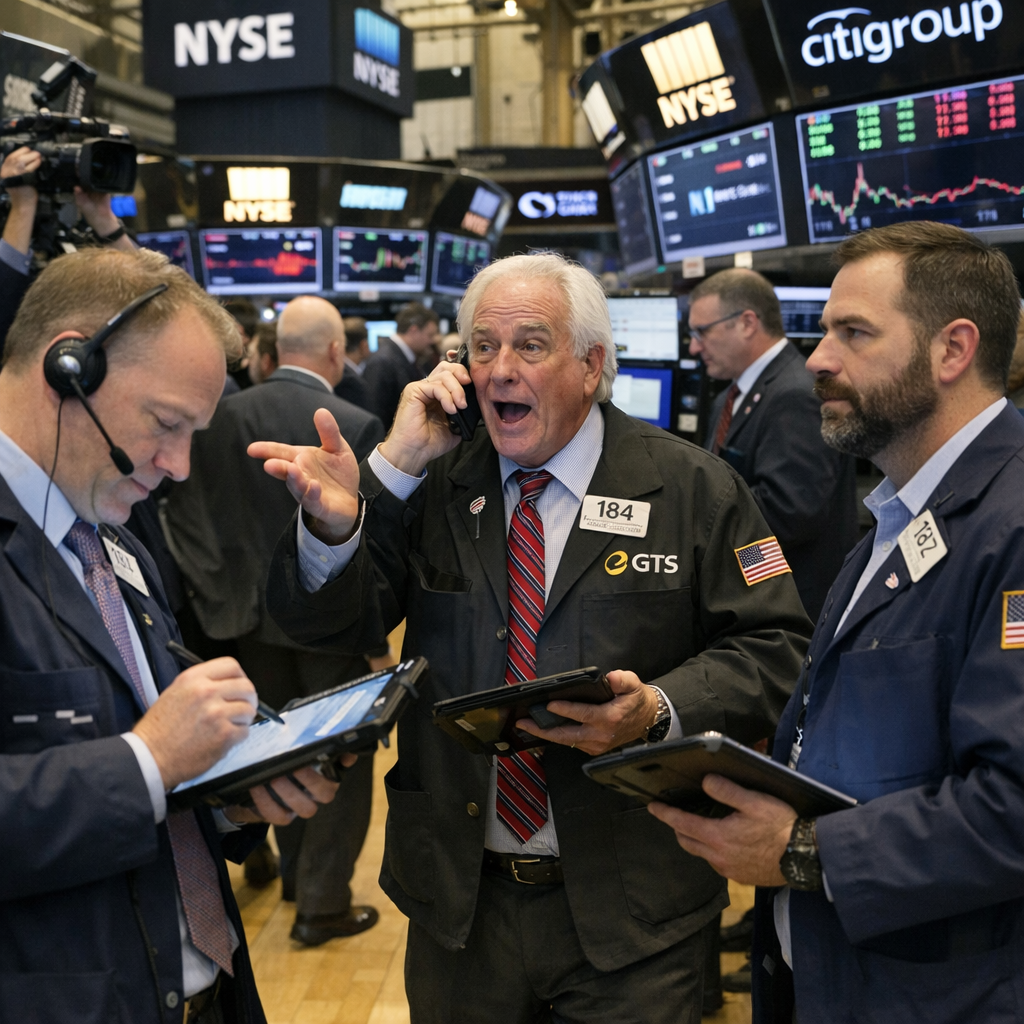
The U.S. economy is currently experiencing a period of moderate growth, with recent data indicating a steady expansion following a dip in early 2025. However, the pace of growth in the latter part of 2025 and early 2026 has been slower than anticipated, raising questions about the sustainability of this trend.
Labor Market Dynamics
The labor market continues to add jobs, reflecting resilience in employment. Despite this positive trend, there is a growing concern over the rise in long-term unemployment, suggesting that while new positions are being created, certain segments of the workforce are facing prolonged joblessness.
Inflation and Federal Reserve Policies
Inflation rates have decreased from their previous peaks but remain persistently high. The Federal Reserve closely monitors various economic indicators, including inflation and the stock market, to inform its decisions on interest rates. The central bank’s approach aims to balance economic growth with price stability.
Trade Policies and Economic Uncertainty
Recent trade policies, particularly the implementation of tariffs, have introduced a level of uncertainty into the economic landscape. These measures have led to concerns about potential impacts on various sectors, including agriculture and manufacturing, and have contributed to market volatility.
Local Implications
For residents of Scottsdale, Arizona, these national economic trends can have localized effects. The tourism industry, a significant contributor to the local economy, may be influenced by broader economic conditions. Additionally, fluctuations in employment and inflation can impact consumer spending and business investment within the community.
Staying informed about these developments is crucial for individuals and businesses alike, as they navigate the complexities of the current economic environment.